 Written and reviewed by Josh Kohanim, Esq., California Bar No. 328609 · Reviewed
Local differences in Beverly Hills
Hospitals nearby
| Hospital | Address | Beds | Trauma level |
|---|---|---|---|
| Cedars-Sinai Medical Center | 8700 Beverly Blvd, Los Angeles 90048 | 919 | Level I adult, Level I pediatric |
| Ronald Reagan UCLA Medical Center | 757 Westwood Plz, Los Angeles 90095 | 446 | Level I adult |
| Saint John's Health Center | 2121 Santa Monica Blvd, Santa Monica 90404 | 266 | Not a designated trauma center |
Sources: California EMS Authority designated trauma centers and the California licensed facility file. The ambulance run sheet, the first imaging, the trauma admission note and the lien all come from a Los Angeles hospital rather than a Beverly Hills one. We request the run sheet by the transporting agency's incident number rather than by the hospital's name.
Beverly Hills pedestrian and bicycle crashes
The two Office of Traffic Safety categories where Beverly Hills ranks worst in its group are the two where nobody has a vehicle around them. The city was 1 of 93 for pedestrian victims, on 46 people, and 1 of 93 for motorcycle victims, on 38 riders, in 2023 (OTS 2023 crash rankings). Rank 1 is the worst rate in the group. Those are the collisions that produce head strikes, and they happen on Wilshire, Santa Monica Boulevard and the canyon roads north of Sunset.
Courthouse nearby
| Case type | Where it is filed | Address |
|---|---|---|
| Unlimited civil | Santa Monica Courthouse or Beverly Hills Courthouse | 1725 Main Street, Santa Monica 90401, or 9355 Burton Way, Beverly Hills 90210 |
| Claim against a public entity | Written claim to that entity first | Six months, Government Code section 911.2 |
How a mild traumatic brain injury is proved when the scan reads normal, and what neuropsychological testing does, are on our Los Angeles brain injury attorney page. The city as a whole is on our Beverly Hills personal injury lawyer page. For how the injury happened, see car accident, motorcycle or pedestrian, and for lifetime care, catastrophic injury.
At Wise Law Firm, our Beverly Hills brain injury lawyer fights for individuals who suffer brain injuries in Southern California and need help with complex legal hurdles. We know how a single concussion or severe head trauma can disrupt your daily routine. We also realize that dealing with insurance claims and medical treatments becomes overwhelming, especially if cognitive and physical impairments linger.
Learn more about how a traumatic brain injury might impact you and your family below. Then, contact our Beverly Hills brain injury attorney, and discover how we can help you pursue maximum compensation.
Work with a Beverly Hills Brain Injury Lawyer to Recover the Compensation You Deserve
Many brain injury victims feel lost and uncertain after the accident, unsure how to handle ongoing bills or negotiate with insurance companies. Our legal representation aims to shoulder these burdens so you can focus on healing. We gather records, witness statements, and expert testimony to present a compelling case that highlights the scope of your physical and emotional distress. This multifaceted strategy often proves essential when confronting insurers or other responsible parties.
It takes more than basic evidence to secure a fair settlement. Brain injuries can affect concentration, speech, and relationships, yet these deeper effects aren’t always obvious at first. Our personal injury lawyers insist on thorough assessments from medical professionals to gauge your recovery path. Taking these steps ensures no detail is overlooked and that our arguments remain strong from start to finish.
What Makes Brain Injury Cases So Complex?
Brain injuries pose unique legal challenges because symptoms might hide or worsen over time. Identifying the full extent of harm also demands specialized evaluations and expert input.
Hidden Symptoms and Delayed Diagnoses
Unlike a broken bone, a brain injury can remain invisible initially. Headaches or confusion might appear minor, but they can mask serious underlying damage that requires extensive evaluation. Victims may delay medical attention, which can weaken or complicate their future claims.
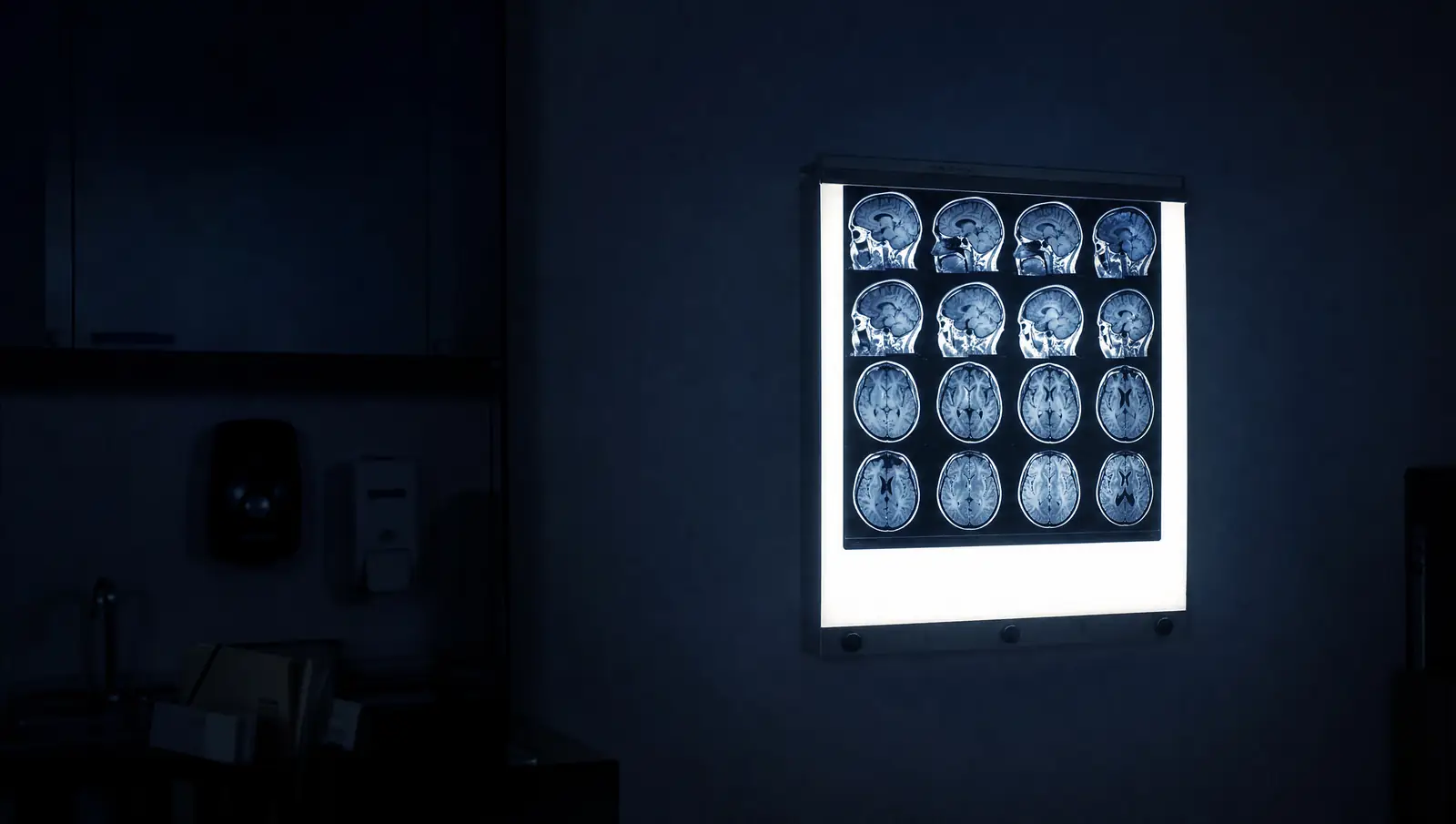
Doctors often rely on imaging scans and neurocognitive tests to uncover subtle deficits and direct medical care. Even then, a conclusive diagnosis can take weeks or months to emerge. Our legal team encourages an early checkup, maintaining consistent records that prove your injuries stem from the accident. Detailed documentation reduces a defendant’s chance to argue that the symptoms came from somewhere else.
Cognitive, Physical, and Emotional Impacts
A brain injury can disrupt memory, concentration, and speech. Victims may also struggle with motor skills, coordination, or permanent changes to personality and temperament. These limitations reshape your daily life, making tasks like driving or working a constant challenge.
Family members feel the strain, too, as caregiving roles shift or relationships transform. Emotional distress can arise from both the injury’s symptoms and the stress of daily adaptation. Our attorneys factor these losses into your claim, arguing for compensation that addresses each dimension of your suffering. Without a full accounting of these damages, your final settlement might fail to meet your needs.
Common Causes of TBIs in Beverly Hills
- Motor Vehicle Collisions. High-speed crashes can jerk the head violently or slam it against hard surfaces. Even a minor fender-bender might cause whiplash or mild head trauma.
- Slip and Falls. One misstep on wet floors or uneven sidewalks can knock you down. Striking your head on concrete can lead to concussions or more serious damage.
- Workplace Incidents. Falling debris, sudden impacts, or faulty equipment at job sites contribute to head injuries. Construction zones in bustling areas may pose heightened risks.
- Sports Injuries. Contact sports like football or hockey carry inherent risks of head collisions. Repeated hits compound the harm, resulting in lingering issues.
- Bicycle or Motorcycle Accidents. A helmet reduces danger but cannot guarantee total protection. Ejections or collisions with a bigger vehicle can cause lasting head trauma.
- Pedestrian Accidents. Pedestrians struck by a car often face severe brain injuries from hitting the ground or the vehicle’s hood. Urban areas with heavy traffic see these incidents frequently.
- Assaults. Violent acts or physical fights sometimes end in traumatic blows to the head. Victims can pursue civil claims in addition to any criminal charges the attacker faces.
Why Do Brain Injuries Happen?
- Distracted Driving. Texting, playing with the radio, or using GPS can steal a driver’s focus. A mere second of distracted driving may lead to a crash that causes brain trauma.
- Neglected Property Maintenance. Unmarked hazards or loose rails set the stage for a fall. Owners who skip repairs invite accidents and legal consequences.
- Defective Equipment. Worn-out brake pads or airbags that fail to deploy can contribute to collisions. Product makers may share liability when flaws trigger serious harm.
- Unsafe Play or Coaching. In sports, inadequate training or ignoring safety protocols can lead to repeated head impacts. Coaches and organizations must prioritize safe play.
- Excess Speed. Speeding vehicles hit with more force, increasing the odds of catastrophic head injuries. Drivers who disregard limits put others at grave risk.
Proving Liability in a Brain Injury Claim
Building a successful claim involves showing how a defendant’s misconduct or carelessness caused your injuries. Plaintiffs must demonstrate the specific link between negligent behavior and the resulting harm. A few key parts of the legal process include:
Accident Reports, Medical Records, and Expert Opinions
A police report or incident log outlines what happened immediately after the crash or fall. Our attorneys collect these documents to strengthen your story and undermine any counterarguments. Meanwhile, thorough medical records confirm the nature and severity of the head injury.
Expert witnesses such as neurologists or neuropsychologists often testify to the neurological impacts you’ve endured. They detail how an external blow affects cognitive or physical function over time. This approach ensures defendants and insurance adjusters cannot ignore the long-term consequences. Rely on our personal injury law firm to fight for you.
Establishing Long-Term Impact on Daily Life
Brain injury victims may never return to their previous level of work or independence. We enlist occupational therapists or life-care planners to project future needs, whether for in-home care, assistive devices, or ongoing therapy. These calculations help gauge how your injuries affect long-term financial stability.
Emotional fallout also factors into compensation. Depression, anxiety, or personality shifts can strain relationships and hamper career progress. Our firm compiles personal accounts and psychological evaluations to show that these difficulties are real and demand recognition.
What a Strong Brain Injury Settlement Should Cover
- Medical Costs. This includes hospital stays, surgeries, and specialists. Longer-term therapies or mobility aids are also a factor.
- Lost Income. Days off work for treatments, plus any permanent reduction in earning capacity, shape the settlement demand. Bills and employer statements show these financial setbacks.
- Physical Pain and Emotional Distress. Chronic headaches or mood changes can diminish your quality of life. Courts might award additional sums for ongoing struggles.
- Rehabilitation and Home Modifications. A serious brain injury may require accessibility changes at home or in specialized vehicles. These expenses can add up quickly.
- Loss of Enjoyment. Hobbies you once loved, or the ability to engage fully with family, may vanish. Compensation acknowledges these meaningful deficits.