 Written and reviewed by Josh Kohanim, Esq., California Bar No. 328609 · Reviewed
Local differences in Woodland Hills
Your crash report
The CHP West Valley Area was created in 1969 to take traffic responsibility for the region's freeways and highways off the Los Angeles Police Department, and it moved to Woodland Hills in 1973. It now patrols roughly 400 square miles reaching about 2.1 million people. In practice that means a big rig collision on the 101 produces a CHP traffic collision report obtained through an office four minutes from the crash. A delivery truck that hits you on Ventura Boulevard produces an LAPD report instead. There are two agencies and two request processes, and the request has to go to the right one in the first week.
The truck corridor
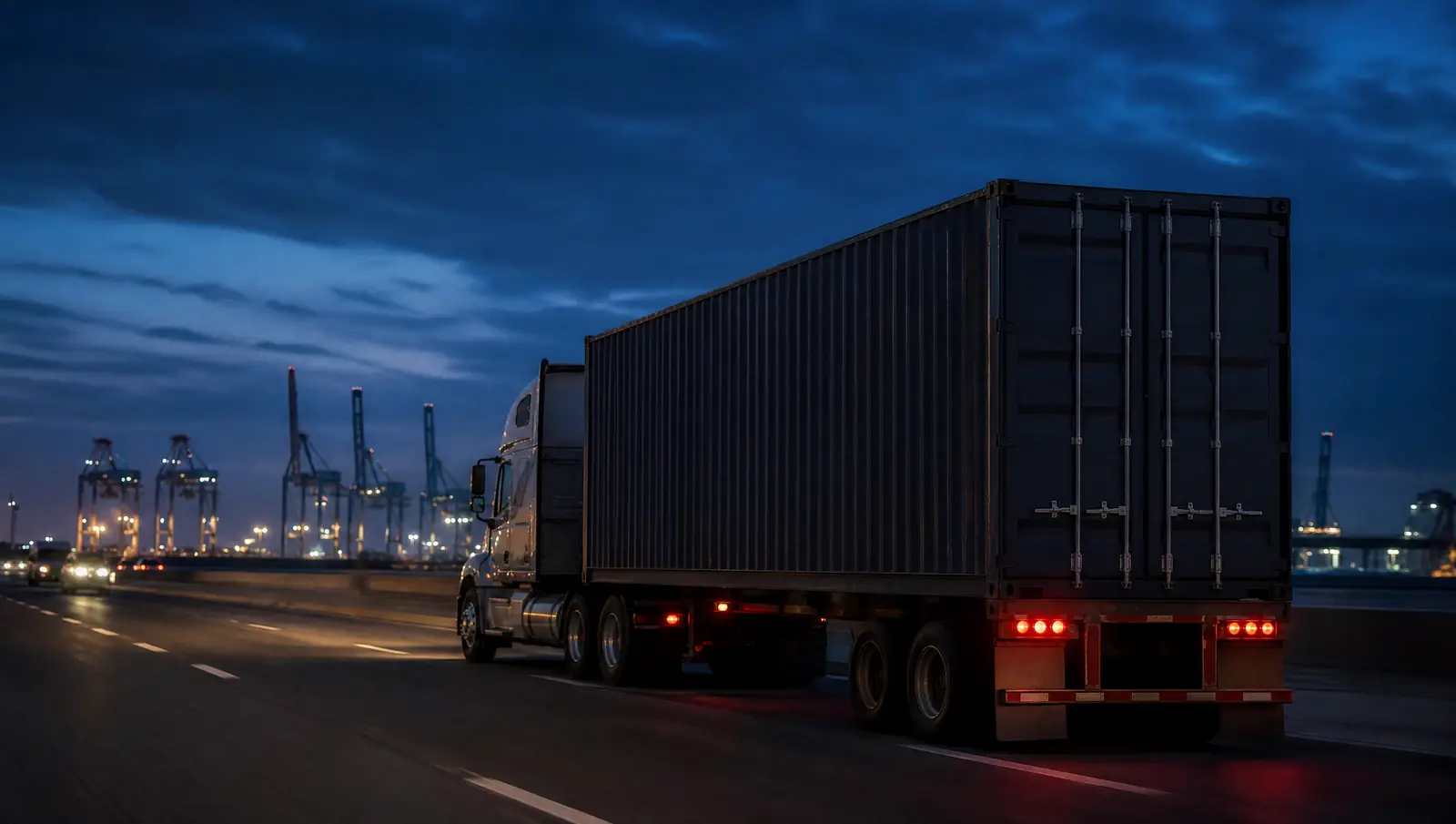
US 101 is the only freeway through Woodland Hills. Caltrans' current published annual average daily traffic puts it at about 253,000 vehicles a day at Winnetka Avenue, 245,000 at De Soto and 191,000 at the western end near Ventura Boulevard. The ramps at Winnetka, De Soto, Canoga and Topanga sit close enough together that a tractor trailer changing lanes to reach an exit is crossing traffic that is still merging from the last one. That geometry is why the sideswipe and the lane change denial are the two disputes we see most often here.
Caltrans estimates about 11,400 to 12,700 trucks a day on the 101 where Route 27, Topanga Canyon Boulevard, meets it in Woodland Hills, roughly 5.5 percent of the traffic there. The highest truck estimate on the 101 anywhere in Los Angeles County in Caltrans' 2024 truck traffic file is about five miles east, at the Encino Avenue pedestrian overcrossing: 16,568 trucks a day. When the truck or van that hit you was being driven for a business, our commercial vehicle accident lawyer page explains how to find the company and when it is responsible.
Courthouse nearby
| Case type | Where it is filed | Address |
|---|---|---|
| Unlimited civil | Van Nuys Courthouse East | 6230 Sylmar Avenue, Van Nuys 91401 |
| Limited civil | Stanley Mosk Courthouse | 111 North Hill Street, Los Angeles 90012 |
| Public entity claim | Written claim to the City of Los Angeles or Caltrans first | Six months, Government Code 911.2 |
The federal driving limits, the layers of insurance behind a motor carrier and the evidence clock on a truck's electronic data are all worked through on our Los Angeles truck accident lawyer page. For other collisions on the same stretch of 101, see our Woodland Hills car accident, motorcycle, catastrophic injury and wrongful death pages, or the Woodland Hills personal injury lawyer hub.
At Wise Law Firm, our Woodland Hills truck accident lawyer is dedicated to helping victims of truck accidents seek justice and fair compensation. We know that severe injuries, massive property damage, and confusing policies can create obstacles that feel impossible to overcome. Our truck accident lawyers have helped many individuals who face lost wages and steep medical bills due to collisions with powerful commercial vehicles. We want to guide you through the legal process and give you the support you deserve.
Learn more about personal injuries suffered in truck accidents below. Then, contact us for a free case review. Let our legal representation help you pursue maximum compensation.
Trust a Woodland Hills Truck Accident Lawyer to Take On the Big Rigs and Their Insurers
Insurance companies often undervalue truck accident claims because of the high financial stakes involved. We understand their tactics and counter them by compiling solid evidence, such as driving logs and expert reports. Our job is to show how the other party’s negligence caused your trauma, whether it be spinal cord injuries or other serious harm. The goal is to secure the resources you need to cover medical care, replace lost income, and rebuild your life.
Many people feel overwhelmed by the claims process, particularly when a truck accident victim must cope with long-term rehabilitation. Our lawyers handle every legal detail, from gathering police records to communicating with the insurance adjuster. We also keep you updated so you stay informed about developments in your case. Let our Southern California truck accident attorney pursue the responsible party for the damages you deserve.
Factors That Make Truck Crashes So Complex
Truck collisions differ significantly from typical car accidents because of the scale of damage and the additional laws that govern commercial vehicles. Multiple layers of potential fault can also arise, requiring in-depth investigation.
Federal Regulations and Multiple Defendants
Commercial vehicle operations must comply with Federal Motor Carrier Safety Administration (FMCSA) rules. Truck drivers and trucking companies must limit hours on the road, maintain equipment, and follow other mandates. Violations can open the door to lawsuits if they play a part in causing a crash.
Liable parties may go beyond the driver alone. The trucking company, freight loader, or even the truck’s manufacturer could also share the blame. Pinpointing who bears responsibility demands a careful examination of contracts, service records, and corporate policies. Our experienced attorneys know how to investigate these accidents and pursue a fair settlement.
Extensive Property and Bodily Harm
Big rigs easily overpower smaller passenger vehicles, often leading to catastrophic injuries or fatalities. Damage to your car can be irreparable, leaving you with huge bills. Documenting these losses in detail helps ensure an accurate claim.
Time in the hospital adds to the financial and emotional toll of a serious crash. Your life might change overnight if you suffer a traumatic brain injury and can no longer work. Compensation must address both your immediate expenses and the long-term hardship you face. Our personal injury lawyers can help you secure this compensation.
Common Causes of Truck Collisions in California
- Driver Fatigue. Truck drivers sometimes skip rest to meet tight schedules. Drowsy operation from hours of service violations reduces reaction time and increases the chance of a wreck.
- Distracted Driving. Activities like texting, adjusting the radio, or eating behind the wheel cause truckers to drift out of their lanes. Distracted driving can prove disastrous when handling a massive vehicle.
- Poor Maintenance. A single worn tire or faulty brake can cause a large truck to spin out of control. Companies that ignore upkeep endanger everyone on the road.
- Improper Loading. Unbalanced or loose cargo can shift, making the truck rollover or swerve unexpectedly. Thorough securing of freight is a basic safety measure that some overlook.
- Alcohol or Drug Use. Substance-impaired truckers place all nearby drivers at risk. Federal regulations ban such conduct, and violators face major penalties.
- Speeding. Truckers who go too fast cannot brake in time, especially downhill or on busy highways. That momentum can lead to devastating collisions.
- Inadequate Training. Handling a commercial vehicle requires specialized knowledge. Untrained or undertrained drivers lack the skills to avert crises.
Steps To Take After a Woodland Hills Truck Crash
- Call Emergency Services. Dial 911 for an ambulance and police. Swift medical attention and a police report will both help with your future claim.
- Collect Driver and Witness Info. Gather names, phone numbers, and insurance details. This data helps when filing an insurance claim or lawsuit.
- Document the Scene. Use your phone to snap pictures of vehicles, skid marks, and road conditions. These photos support your version of events later on.
- Seek Medical Care Promptly. You might feel okay, but internal injuries or mild concussion symptoms can appear later. Early treatment links your injuries directly to the crash.
- Inform Your Insurer. You must report the incident but don’t admit fault or minimize your injuries. Provide basic facts and let your attorney handle deeper negotiations.
- Consult a Truck Accident Lawyer. Legal guidance can strengthen your case against the at-fault party. An attorney knows how to preserve crucial evidence and begin building a claim.
- Avoid Quick Settlements. Insurance adjusters might offer a low figure initially. Wait until you see the full extent of your injuries before considering any deal from an insurance provider.
Building a Strong Claim Against a Trucking Company
A successful case hinges on proof that the driver or company breached safety rules and caused your injuries. Gathering logs, examining vehicle upkeep, and checking cargo documentation help create that link. A few critical components of claims for semi-truck accidents include:
Maintenance Records, Dashcams, and Logs
Truckers must track driving hours to comply with FMCSA’s Hours-of-Service rules. Deviations or fraudulent entries can show exhaustion or overwork, which fosters accidents. Dashcams, if available, capture the moments before a collision, potentially revealing driver inattention.
Repair and maintenance records also indicate whether the trucking company fulfilled its duty to keep vehicles in safe condition. If they overlooked recurring problems, that negligence can become a legal point against them. Our lawyers comb through these details to discover any missed red flags.
FMCSA Violations and Negligent Hiring
Companies sometimes hire truck drivers without proper vetting or fail to provide ongoing training. Hiring someone with a history of unsafe driving can result in direct corporate liability. We gather the driver’s background info to see if the employer knew or should have known about dangerous tendencies.
Failing to follow FMCSA requirements, such as the limit on consecutive driving hours, often signals broader issues in a company’s safety practices. That pattern can boost your case for higher compensation. We highlight each violation to show the full scope of neglect that led to your crash.
We Overcome Truck Accident Challenges To Maximize Your Compensation
- Complex Investigations. We know how to handle large-scale probes involving corporate records, logbooks, and internal memos. This diligence sets our approach apart.
- Multiple Defendants. Truck accidents can involve owners, drivers, and more. We coordinate claims against each one, ensuring none escape liability.
- Negotiation Backed by Strong Evidence. Insurance companies rarely pay fairly unless you present undeniable proof. We arm you with the facts they can’t ignore.
- Litigation When Needed. If insurers refuse to offer a fair settlement, we prepare for trial. Juries often empathize with victims facing life-altering harm.
- Personalized Care. We recognize how a serious crash disrupts your life. Our attorneys handle the legal complexities so you focus on healing.